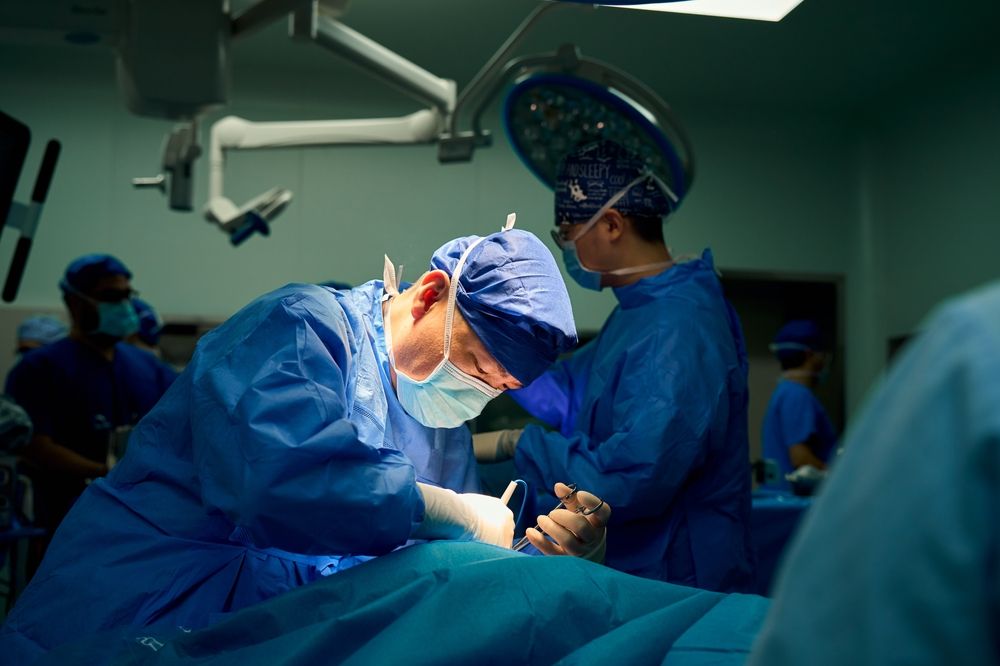
Your specialist has recommended a surgical procedure. During the consultation, you hear the term "day surgery", or perhaps "inpatient admission." If you're not sure what the difference is, or why it matters, you're asking the right questions.
Understanding whether your procedure will be a day surgery or require an inpatient stay is important. Not just for planning your schedule, but also for understanding your recovery process, your costs, and your insurance coverage.
Let's break it down.
What Is Day Surgery?
Day surgery (also called ambulatory surgery or same-day surgery) means exactly what it sounds like: you have your procedure and go home the same day.
How it typically works
- You arrive at the hospital or surgical centre in the morning (or sometimes early afternoon).
- You undergo your procedure, usually performed under local anaesthesia, sedation, or even general anaesthesia.
- After surgery, you spend a few hours in a recovery area where medical staff monitor you.
- Once the medical team confirms you're stable, alert, and your vital signs are normal, you're discharged, usually by late afternoon or early evening.
Common day surgery procedures
- Cataract removal
- Endoscopy or colonoscopy
- Minor orthopaedic procedures (such as arthroscopy for knee or shoulder)
- Removal of small lumps or cysts
- Hernia repair
- Certain cosmetic or dental procedures
Key point: even though you go home the same day, these are still real surgeries requiring proper preparation, anaesthesia, and post-operative care. Don't underestimate the importance of following your doctor's instructions.

What Is Inpatient Care?
Inpatient care means you are admitted to the hospital and stay overnight, or sometimes for several days or weeks, depending on the complexity of your procedure and your recovery needs.
The typical flow
- You are admitted to the hospital, usually a day before your surgery or on the day itself.
- You undergo your procedure, which may be more complex or carry higher risks.
- After surgery, you are transferred to a hospital ward where medical staff monitor you closely: checking vitals, managing pain, watching for complications, and assisting with initial recovery.
- You are discharged only when your doctor is confident that you are stable and safe to continue recovery at home.
Common inpatient procedures
- Major orthopaedic surgeries (such as hip or knee replacement, spinal surgery)
- Cardiac procedures (bypass surgery, valve replacement)
- Cancer-related surgeries
- Organ transplants
- Major abdominal surgeries (gallbladder removal, bowel surgery)
- Complex gynaecological procedures
Why Does It Matter to You?
The distinction has real implications for your planning, recovery, and finances.
1. Recovery environment
Day surgery: you recover at home, which many patients find more comfortable and less stressful. However, you need to ensure you have someone to care for you, especially in the first 24 hours.
Inpatient: you have round-the-clock medical supervision, critical for more complex procedures. You also have immediate access to pain management and nursing care.
2. Your schedule
Day surgery: minimal disruption to your life. You might be back to light activities within a few days (depending on the procedure).
Inpatient: requires more time off work and daily commitments. Plan for your hospital stay plus additional recovery time at home.
3. Cost and insurance
Day surgery: generally less expensive because there are no overnight ward charges. Your insurance may have a specific day surgery benefit, which often has lower co-payments or deductibles.
Inpatient: higher costs due to ward charges, nursing care, meals, and longer use of hospital facilities. Your MediShield Life or Integrated Shield Plan will have specific claim limits based on your ward class (B2, B1, A).
Important: even if a procedure can be done as day surgery, some patients may require an overnight stay due to individual health factors (other medical conditions, age, complications). Your doctor will make this decision based on your safety.
How to Prepare
For day surgery
- Arrange for someone to accompany you home. You will not be allowed to drive or take public transport alone after anaesthesia.
- Follow fasting instructions carefully (usually no food or drink for 6–8 hours before surgery).
- Prepare a comfortable recovery space at home with easy access to essentials.
- Have someone stay with you for at least the first 24 hours post-surgery.
For inpatient care
- Pack a small bag with essentials: comfortable clothing, toiletries, phone charger, and any medications you're currently taking.
- Inform your employer and family about your expected hospital stay and recovery period.
- Clarify with your insurer about your ward entitlement and what your out-of-pocket costs will be.
- Arrange for help at home for when you are discharged. You may still need assistance with daily tasks.

Questions to Ask Your Specialist
To be fully prepared, here are some important questions to ask during your consultation:
- "Will this be a day surgery or will I need to stay overnight?"
- "What are the factors that might require me to stay longer than expected?"
- "What kind of anaesthesia will be used?"
- "What should I expect during recovery, and when can I return to work or normal activities?"
- "Is this procedure covered under my insurance's day surgery benefit or inpatient benefit?"
Need Help Understanding Your Procedure or Coverage?
Medical terminology can be confusing, and it's normal to feel uncertain about what lies ahead.

Questions about your upcoming procedure or coverage?
Whether your procedure is day surgery or requires inpatient care, understanding the process helps you prepare mentally, physically, and financially. Kinship by DA is here to support you.
Start a conversation